COP31 Cryosphere Pavilion
November 9-20, 2026 in Antalya, Türkiye
Apply to Host a Side Event Apply for the Early Career Scientist program The COP31 Cryosphere Pavilion will be held in partnership with Iceland, Co-Chair of the Ambition on Melting Ice High-level Group. Building on the success of the six Cryosphere Pavilions at COP25-30, we will provide a space for exhibits, science-policy seminars (side events), and ministerial-level events with representatives from polar, mountain, coastal, and downstream nations; all affected by the impacts of cryosphere loss.
COP31 will be the first COP to take place in the Mediterranean, and will bring a strong focus to sea-level rise from ice sheets, polar ocean acidification and ocean current disturbances, as well as mountain glaciers and snow, under the Türkiye/Australia COP31 Co-Presidency. The COP31 Cryosphere Pavilion will focus on the importance of science to inform emissions goals, especially the urgently needed transition from fossil fuels. ICCI will coordinate with concerned nations to strengthen the focus on 1.5°C given expanding loss and damage from cryosphere melt with every increment of overshoot of the lower Paris 1.5°C temperature limit.
A recording of the COP31 Cryosphere Pavilion information session held during the first week of August can be found here.
Information Sessions
We will hold three identical COP31 Cryosphere Pavilion information sessions via Zoom during the first week of August. We welcome everyone who is interested to join – including side event organizers, speakers, and ECS. A registration link is available here, and we will make a recording available later on this webpage.
Apply to Host a Side Event
COP31 Cryosphere Pavilion Side Event Schedule
The COP31 side event application process is now open! These events carry forward the cryosphere’s message towards urgent ambition. Breadth is strongly encouraged: scientists, Indigenous Peoples, Youth and all those who participate in Cryosphere Pavilion side events help raise the global and regional benefits of avoided cryosphere loss with 1.5°C-consistent NDCs. There will be six to seven one-hour side events each day, with both in-person and virtual components as needed. These events will have both in-person and virtual components, depending on speaker needs. Specific Focus Days may include the following topics: feasible pathways to 1.5°C emissions reductions; mountain glaciers and snow; ice sheets; polar oceans; permafrost thaw; sea ice; financing for adaptation in mountain and coastal regions; thresholds and tipping points; and connections between Antarctica, Pacific island states, and low-lying nations. More information is below.
The full two-week COP31 Cryosphere Pavilion side event schedule can be found at the link below:
COP31 Cryosphere Pavilion side events will carry forward the cryosphere’s message towards urgent ambition. Scientists, Indigenous Peoples, Youth and all those who participate help raise the global and regional benefits of avoided cryosphere loss with 1.5°C-consistent NDCs. There will be six to seven one-hour side events each day, with both in-person and virtual components as needed. These events will have both in-person and virtual components, depending on speaker needs. Specific Focus Days may include the following topics: feasible pathways to 1.5°C emissions reductions; mountain glaciers and snow; ice sheets; polar oceans; permafrost thaw; sea ice; financing for adaptation in mountain and coastal regions; thresholds and tipping points; and connections between Antarctica, Pacific island states, and low-lying nations.
The Cryosphere Pavilion side event schedule will be posted here in early October; please check this page for the latest information.
Apply for the Early Career Scientist Program
Early Career Scientist Program
The COP31 Cryosphere Pavilion will host eight early career scientists at the doctoral and post-doctoral level to staff the Pavilion, four each week. They will introduce speakers, answer questions about the exhibits to make the science more accessible, and gain an inside view of negotiations to further inform their scientific careers by shadowing and supporting ICCI and other negotiators.
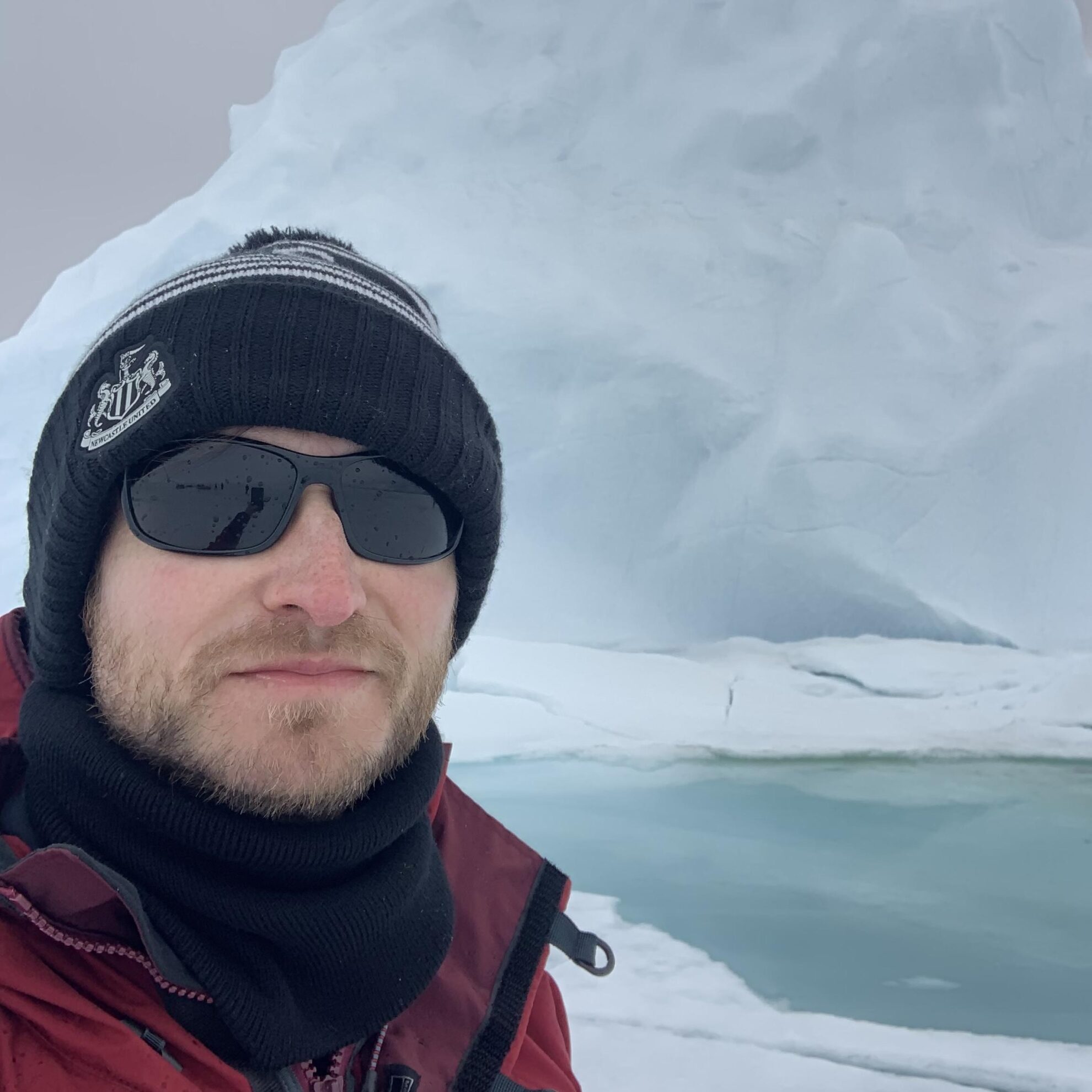
Gunjan Silwal
Newcastle University
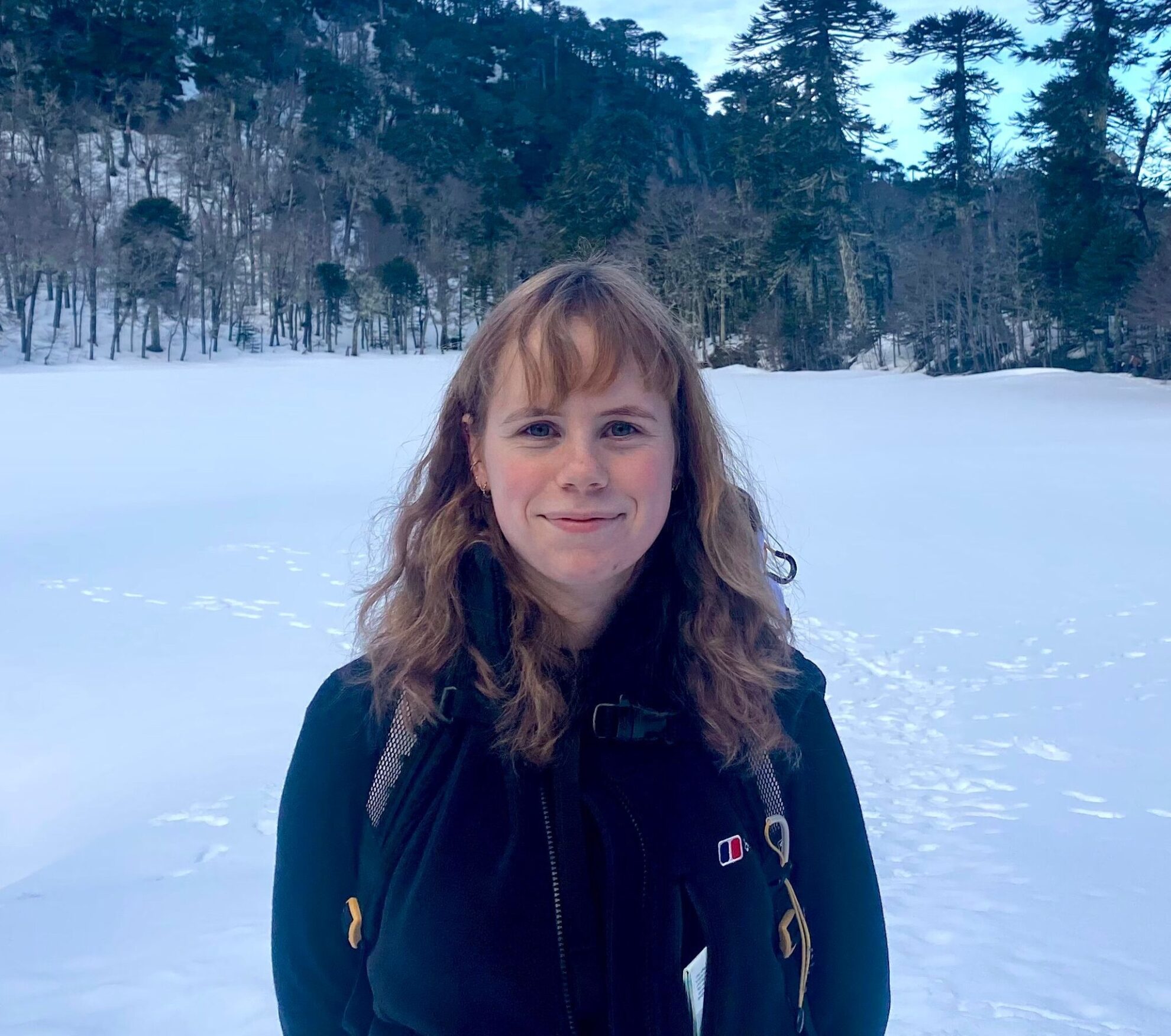
Nellie Wullenweber
Max-Planck-Institute of Geoanthropology
Lokesh Jain
University of Edinburgh
Grant Macdonald
Durham University
Clara Nyqvist
University of Edinburgh
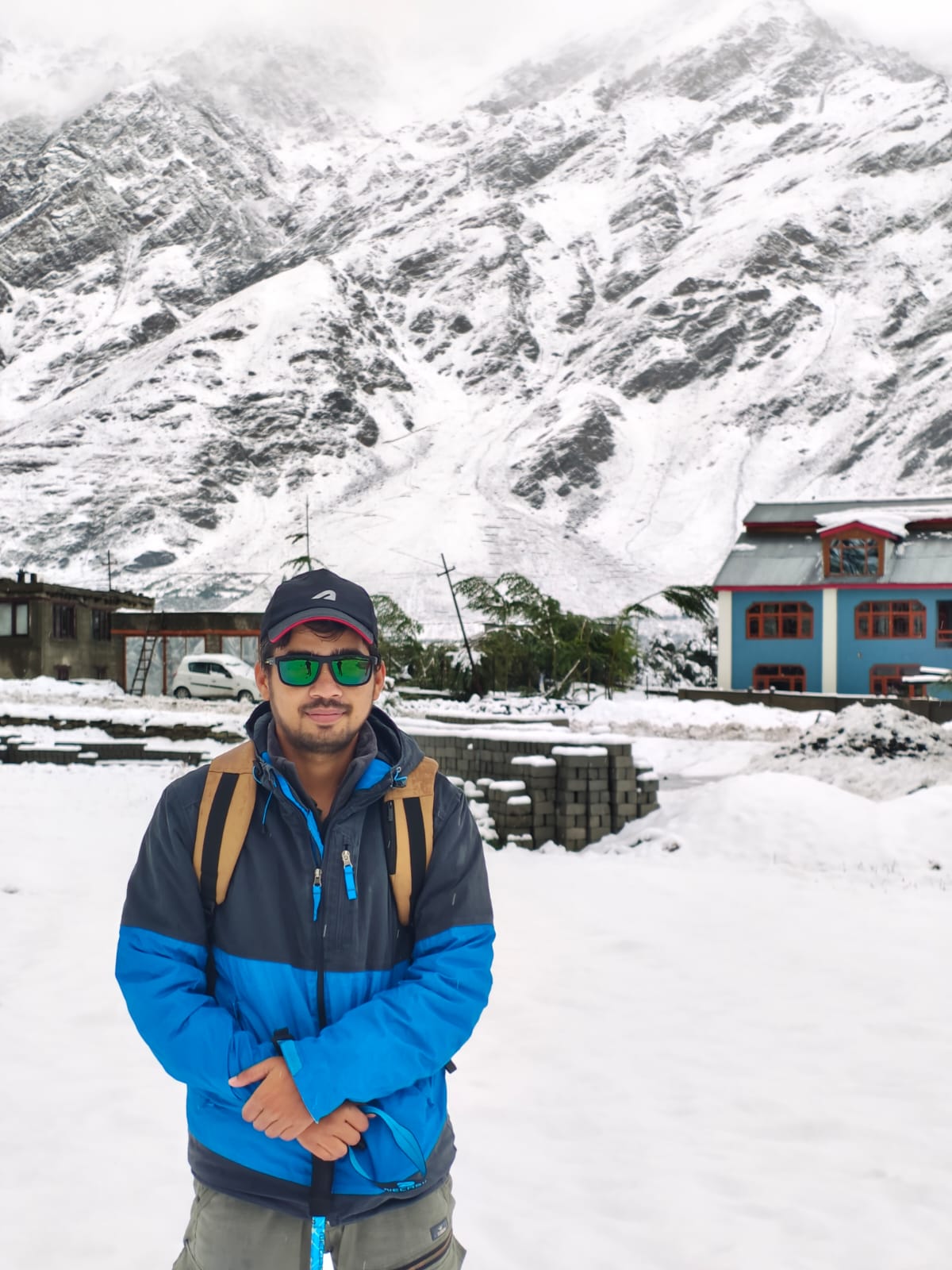
Pawan Singh
Indian Institute of Technology Bombay
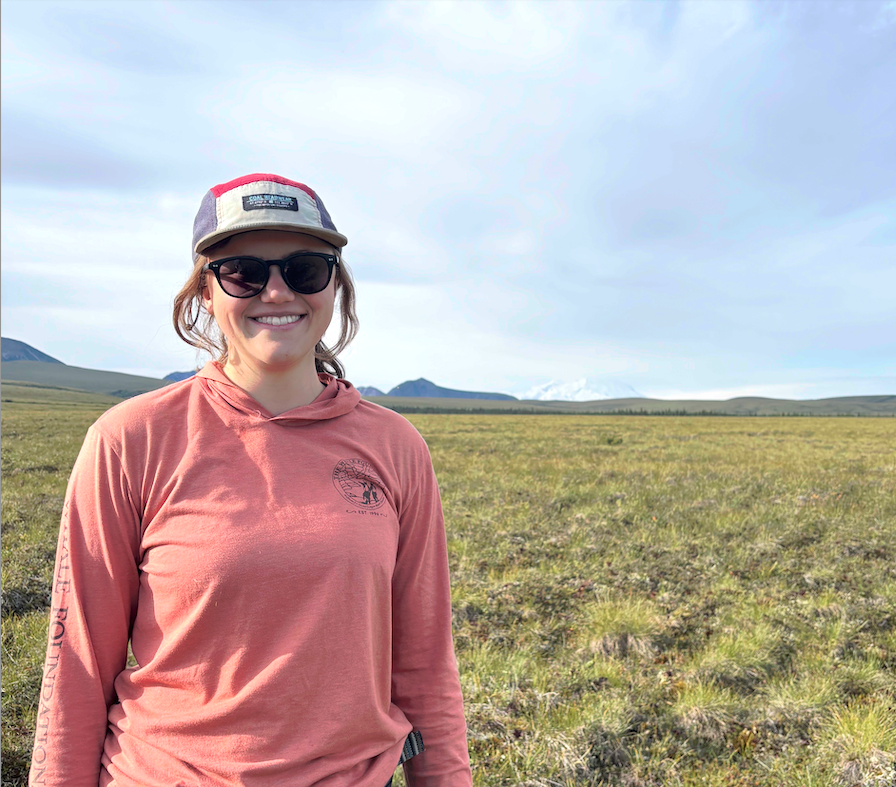
Emma Lanthrop
Northern Arizona University
Megan Lenss
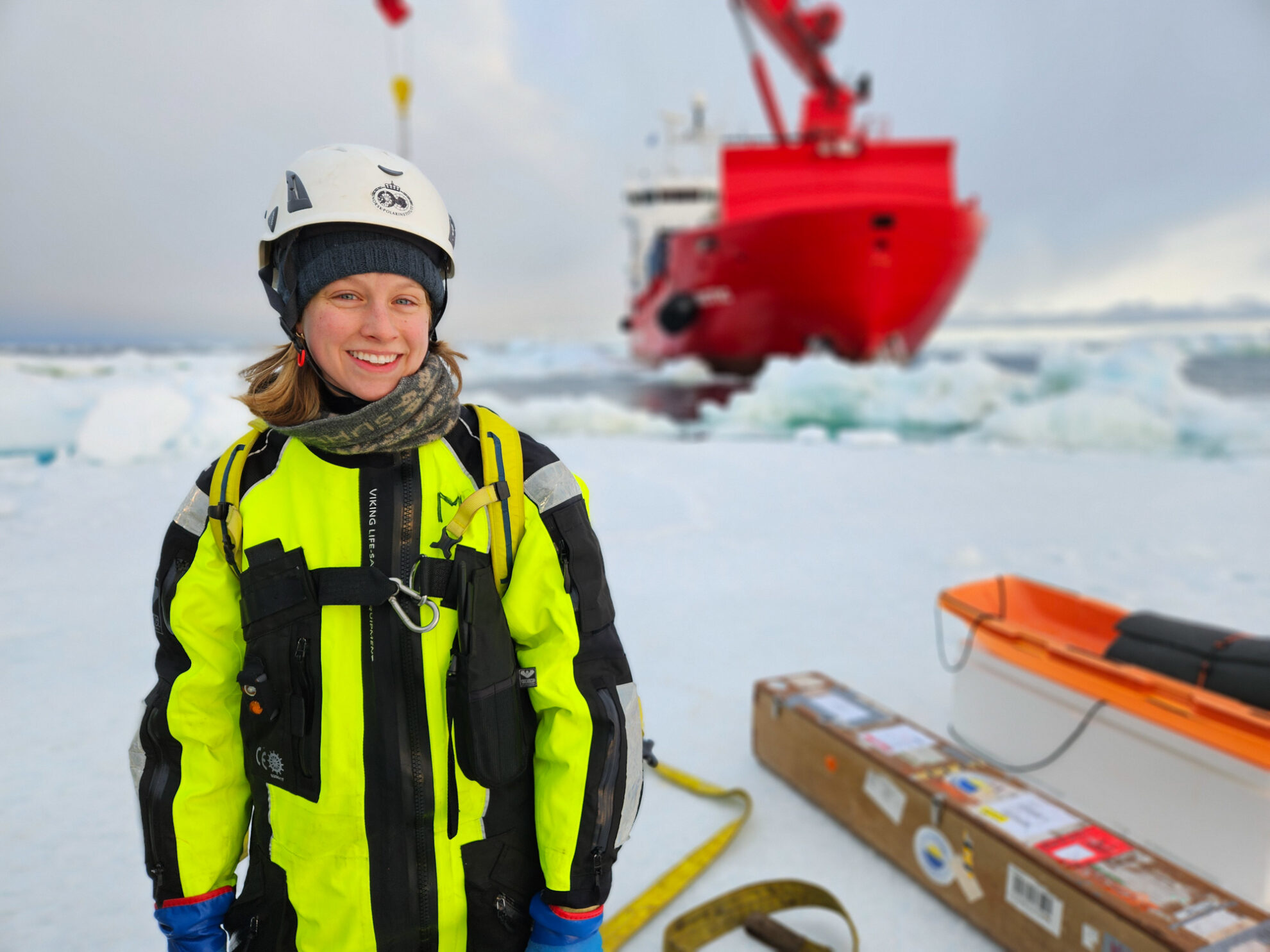
Norwegian Polar Institute & UiT
Pavilion Background & Goals
Click on the tabs below to learn more about the Cryosphere Pavilion background and goals, efforts to raise cryosphere science within the negotiations, and high-level engagement and accomplishments since its formation seven years ago at COP25.
Latest cryosphere and climate science research makes clear that even limited overshoot of the Paris Agreement temperature limit of 1.5°C will cause a number of irreversible global changes, due to the physical cryosphere response. Some of these ice losses will be near-immediate in response to global warming, such as Arctic sea ice. For others, especially ice sheets, glaciers, and permafrost, cutting edge research increasingly points to losses earlier and at greater scale than previously thought; with spreading and catastrophic global impacts if emissions continue on their high-end trajectory.
On the other hand, very low emissions with only a brief 1.6°C overshoot of the 1.5°C Paris Agreement goal would allow at least some stabilization of these delicate cryosphere dynamics by the end of this century, with today’s steep glacial losses evening out and even Greenland and Antarctic loss beginning to slow. This can only occur under very low emissions pathways, requiring 42% emissions cuts no later than 2030, a level which keeps 1.5°C “alive” by enabling net zero emissions by 2050. Low emissions (with overshoot to 1.8°C, but returning nearly below 1.5°C by end of century) are not as effective in slowing the collapse of several cryosphere thresholds, including permafrost thaw and glacier loss, as well as the eventual collapse of the West Antarctica Ice Sheet.
All other pathways above low/very low emissions show a threshold response by global cryosphere to overshoot: sea ice-free conditions in the Arctic stretching from July to October most years; unstoppable loss of virtually all glaciers in the Alps, Scandinavia, New Zealand, Andes and sub-Arctic North America and two-thirds of Himalayan glaciers, along with their water resources that support agriculture, hydropower and drinking water for an estimated 3 billion people at least seasonally; higher permafrost emissions that cut the available carbon budget and result in severe infrastructure loss across North America, Russia, and High Mountain Asia. In addition to these severely changed landscapes, these higher emissions may change our coastlines through sea-level rise, with rates up to 5 cm per year and 15 meters already by 2300 “not able to be ruled out,” according to the IPCC AR6 (and strengthened by additional research conducted since).
In recognition of the need to raise these cryosphere realities at higher government levels, given their human and ecosystem impacts well beyond adaptation limits, 20 nations came together at COP27 in Sharm El-Sheikh to sign the Ambition on Melting Ice (AMI) Declaration. Now comprising 25 nations, AMI aims to raise the need for urgent emissions cuts that will “correct course” on our current high emissions pathway to align with 1.5°C in order to prevent the devastating loss and damage that will occur in the wake of a collapsing cryosphere, and will again meet at the ministerial level at COP31.
Founding of AMI during a high-level ministerial meeting in the final days of COP27 (left); Mexico adding its signature to the AMI Declaration at the COP27 Cryosphere Pavilion to become a founding AMI member (center); AMI ministerial meeting during the second week of COP30 in Belém.
The Cryosphere Pavilion was the first “thematic” pavilion, formed at the request of COP25 President Chile in 2019. It has become a consistent and effective means at COPs to bring policy-relevant cryosphere science to the attention of delegates, from heads of state and government to negotiators, civil society, and students. The Pavilion helped successfully launch the Ambition on Melting Ice (AMI) High-level Group, Co-Chaired by Iceland and Chile, at COP27 when several countries joined based on visiting the Pavilion exhibit and events.
Svandís Svavarsdóttir, Iceland’s Minister of Food, Agriculture and Fisheries, opening an event at the COP27 Cryosphere Pavilion (left); Dr. Maisa Rojas, Chilean Minister for the Environment, co-chairs the COP28 AMI Ministerial Meeting with Iceland’s Director-General Halla Sigrun Sigurðardóttir (right).
More than 60 side events have taken place each year, all livestreamed and archived online, with some gaining thousands of views. Senior cryosphere scientists have the chance to interface directly with negotiators, leaders, and the media. The Early Career Scientist (ECS) program has grown to involve more than 120 applicants last year, giving the next generation of cryosphere scientists direct experience of climate negotiations and how their current and future research can have a real impact.
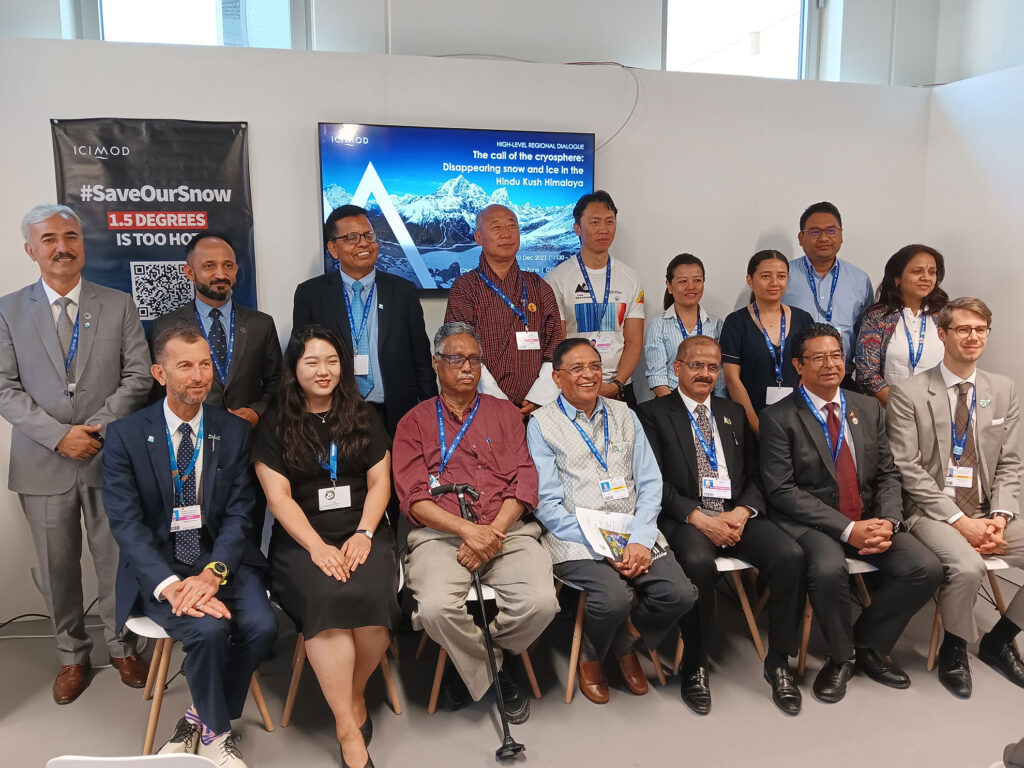
Dr. Mohan Chand, a COP28 Early Career Scientist, speaking with Swiss President Alain Berset at the COP28 Cryosphere Pavilion (left); mountain leaders from Bhutan, France and Nepal at a COP28 Pavilion side event (center); side event on mountain glaciers and snow in the Hindu Kush Himalaya featuring cross-disciplinary representatives (right).
AMI was formed to bring knowledge of these stark cryosphere realities to the highest levels of governments and other stakeholders. The COP31 Cryosphere Pavilion will therefore have a clear focus in conjunction with AMI nations and leaders: keeping 1.5°C alive as a matter of basic survival for billions not only today but generations of tomorrow.
COP31 represents a key opportunity to make the global impact of overshoot from cryosphere resulting from continued fossil fuel use abundantly clear. As of COP28, the global community formally recognized that a new energy era is necessary: a transition away from fossil fuels. COP31 will be about bringing all forces – especially financing – in support of the transition presaged by that COP28 outcome, and in light of the First Conference on Transitioning Away from Fossil Fuels (TAFF).
The Cryosphere Pavilion has directly engaged with a wide range of high-level figures since its inception. The first Cryosphere Pavilion, held at COP25, was opened by His Serene Highness Prince Albert of Monaco, the Swedish Minister for International Development Cooperation, and the Chilean Minister for Education. Since that first high-level opening, dozens of heads of state, ministers, and parliamentarians/members of Congress, ranging from Iceland and Chile to Senegal and Vanuatu, have visited or spoken at the Pavilion and engaged with cryosphere scientists.
Katrín Jakobsdóttir, Iceland’s Prime Minister, visits the COP27 Cryosphere Pavilion with then-ECS volunteer Dr. James Kirkham (now AMI Chief Science Advisor) (left); HSH Prince Albert Monaco with COP27 Early Career Scientists (right).
Lorem ipsum dolor sit amet, consectetuer adipiscing elit, sed diam nonummy nibh euismod tincidunt ut laoreet dolore magna aliquam erat volutpat.
With the founding of AMI near the conclusion of COP27, the Cryosphere Pavilion became a strong focal point in sharing the latest science with negotiators up through the ministerial level of AMI’s 20 founding governments, ranging from polar to low-lying and high-mountain regions all vulnerable to the impacts of cryosphere loss. AMI added France, Italy and the Netherlands in 2023; and Palau and Germany joined in 2024. Cutting across negotiating groups and regions, AMI represents a rare point of consensus on needed ambition and urgency, all motivated by the irreversible damage that results from the simple physical reality of the melting point of ice.
Today, the Cryosphere Pavilion has become a well-recognized space within the COP Blue Zone, and an increasing number of delegations visit to speak with experts, from snow and ice scientists to Indigenous representatives, to inform their work during the negotiations. We plan to continue strengthening this constructive engagement at COP31 in Antalya.
Pavilion Focus Days
The COP31 Cryosphere Pavilion will feature specific focus days on the following topics, with targeted side events (6-7 one-hour slots per day) illustrating for policy makers the choice between ambitious Nationally Determined Contributions (NDCs) versus our current pathway. There are evening slots available for more cultural events or receptions. More than 70+ side events will take place. To receive updates in your inbox, you can subscribe to our newsletter, which also provides weekly summaries of latest snow and ice science for policy makers.
2026 State of the Cryosphere Report
Every year, the Cryosphere Pavilion shares the latest snow and ice science through scientific displays. The displays show how key cryosphere dynamics (mountain glaciers and snow, ice sheets, polar oceans, permafrost, and sea ice) will produce increasingly devastating global and regional consequences at different peak CO2 concentrations and temperatures. Impacts hit vulnerable communities – whether Arctic, mountain, or downstream – already at today’s temperatures.
The displays at COP31 will be based on the upcoming 2026 State of the Cryosphere Report, the sixth in the series leading up to 2030, and underscoring the need for urgent emissions reductions to limit the far-reaching and intergenerational consequences of cryosphere loss. The 2026 report will be released on November 2 ahead of COP31. Please reach out to Outreach Director Amy Imdieke (amy@iccinet.org) to be added to our media contacts list.
2026 State of the Cryosphere Report Previous Cryosphere Pavilion Supporters Include, with Great Thanks
The Nordic Council of Ministers, Bolin Centre/Stockholm University, Chile, France, Iceland, Switzerland, Austria, ICIMOD, AMAP, SCAR, WRLD Foundation, Woodwell Climate Research Center, Seas at Risk, Clean Air Fund, Climate Analytics, Zoï Environment Network, WWF-Arctic, UNESCO, Asian Development Bank, BNP-Paribas, University of Geneva, Prince Albert of Monaco Foundation and more.
In addition, nearly 100 academic institutions participated in past Pavilions with speakers and in-kind support, including: Grantham Institute at Imperial College, University of Massachusetts Amherst, INACH (Chile), Plymouth Marine Laboratory (UK), Antarctic Research Centre, University of Wellington (New Zealand), National Snow and Ice Data Center (NSIDC, U.S.), Durham University, University of Carnegie Mellon, St. Andrews University (Scotland), Bristol University Glaciology Centre, East China Normal University, Alfred Wegener Institute (AWI), University of Oslo; and of course, many IPCC scientists.
Contact Us
If you have any questions, please reach out to:
Pam Pearson
Executive Director
International Cryosphere Climate Initiative (U.S)
International Cryosphere Climate Initiative-Europe (Sweden)
pam@iccinet.org
Amy Imdieke
ICCI Global Outreach Director
Pavilion Logistics and ECS Coordinator
amy@iccinet.org
Lisa Qiluqqi Koperqualuk, President of the Inuit Circumpolar Council (ICC) Canada, throat-singing with an Indigenous youth representative during an evening cultural event at the COP26 Pavilion.